Most brass-component drawings we receive specify either CW614N (CuZn39Pb3, also known as C38500) or CW617N (CuZn40Pb2, C37700). The two alloys overlap heavily on chemistry and on data-sheet mechanical properties — but the day-to-day difference between them is significant once you put either on a sliding-head lathe or into a hot forging press.
This article is a short, opinionated guide to choosing between them, based on what we see across roughly half a billion brass parts machined or forged in our facility.
The headline difference
CW614N has slightly higher lead (3% vs 2%), slightly lower zinc, and is optimised for free machining. CW617N has slightly higher zinc and is optimised for hot forging. Both contain lead in a range that supports good machinability — but CW614N machines noticeably better, while CW617N forges noticeably better.
When to specify CW614N
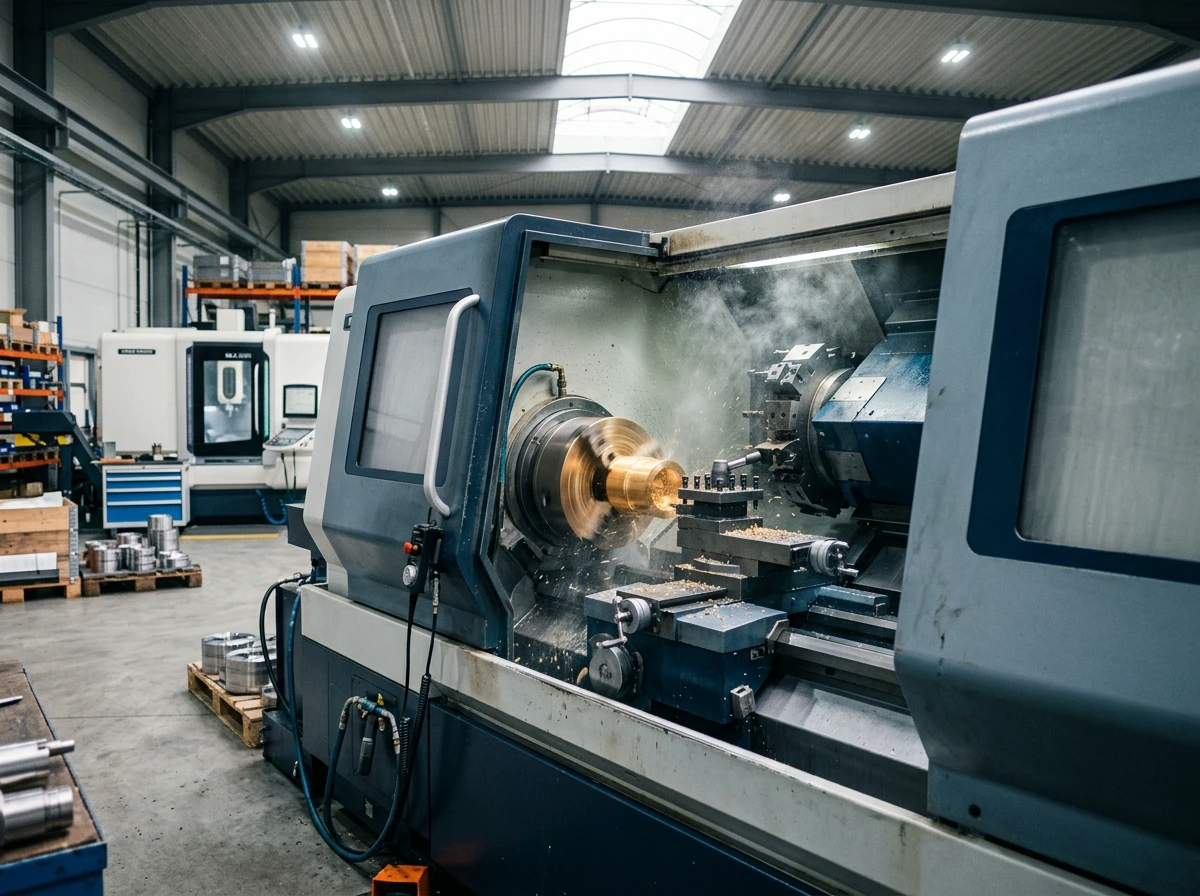
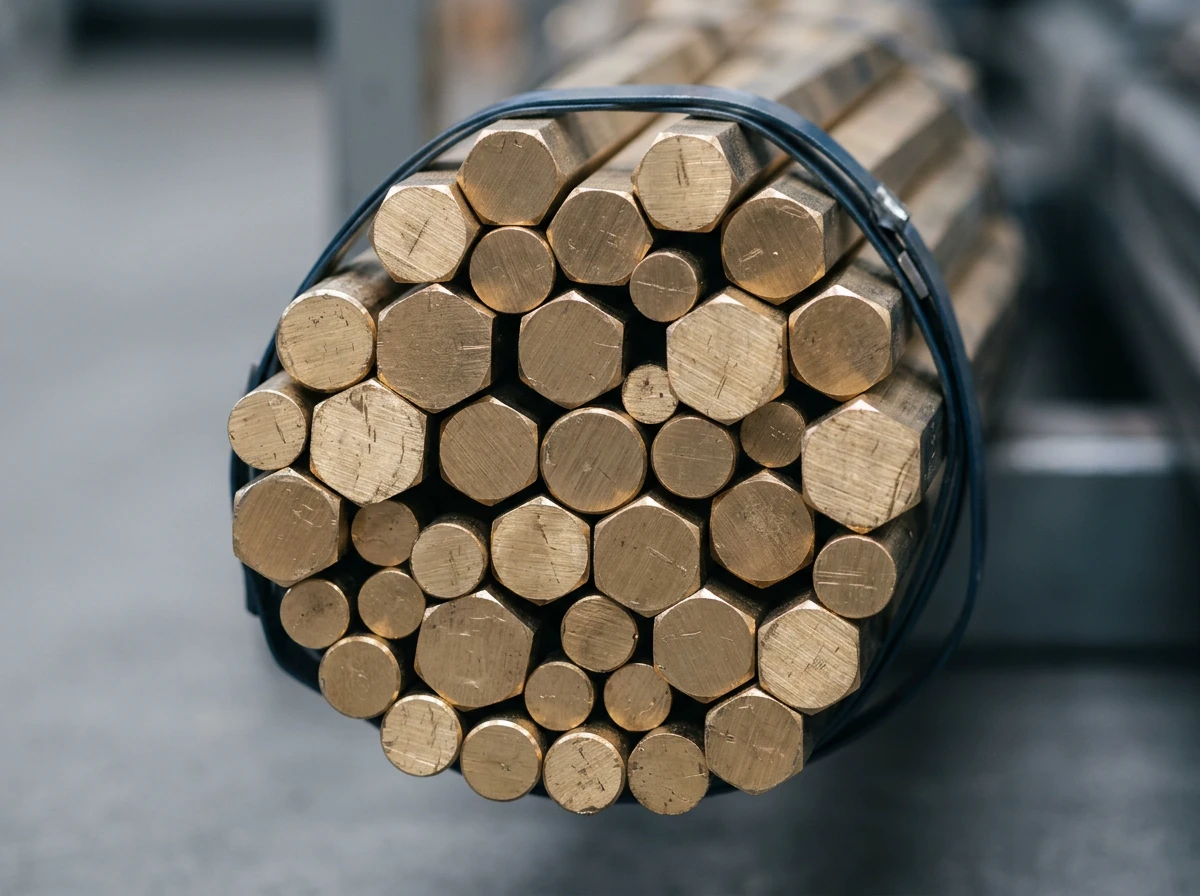
Specify CW614N when the part is machined from bar — turned, sliding-head, milled — and not forged. The higher lead content gives shorter, more controlled chips, lower tool wear, and better surface finish at higher cutting speeds. Most hose barbs, schrader bodies, electrical terminals, small inserts, and miniature fittings should be CW614N.
When to specify CW617N
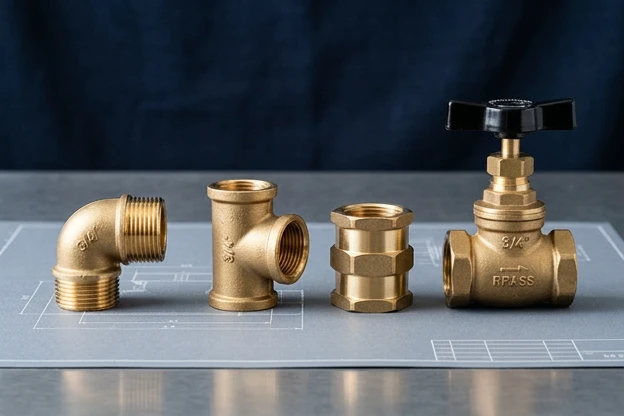
Specify CW617N when the part is hot-forged and then machined. Higher zinc gives better hot-forging behaviour — the alloy flows more cleanly into the die, gives better grain structure, and is more tolerant of slightly cooler forging temperatures. Most valve bodies, plumbing fittings, manifolds, and gas regulators should be CW617N.
Drinking water and lead-free
Neither CW614N nor CW617N is suitable for European drinking-water programs without further qualification — both contain enough lead to fall outside emerging low-lead and lead-free regulations. For potable-water OEMs we recommend specifying CW602N (CuZn36Pb2As, low-lead) or CW724R (CuZn21Si3P, lead-free silicon brass, also DZR) instead. The latter is the safer default for any new program targeting WRAS, NSF, ACS, or KTW approvals.
- CW614N machines better — default for bar-turned parts
- CW617N forges better — default for hot-forged blanks
- Both contain lead; for drinking water specify CW602N or CW724R
- When in doubt, ask your supplier — the cost difference is small, the process difference is large